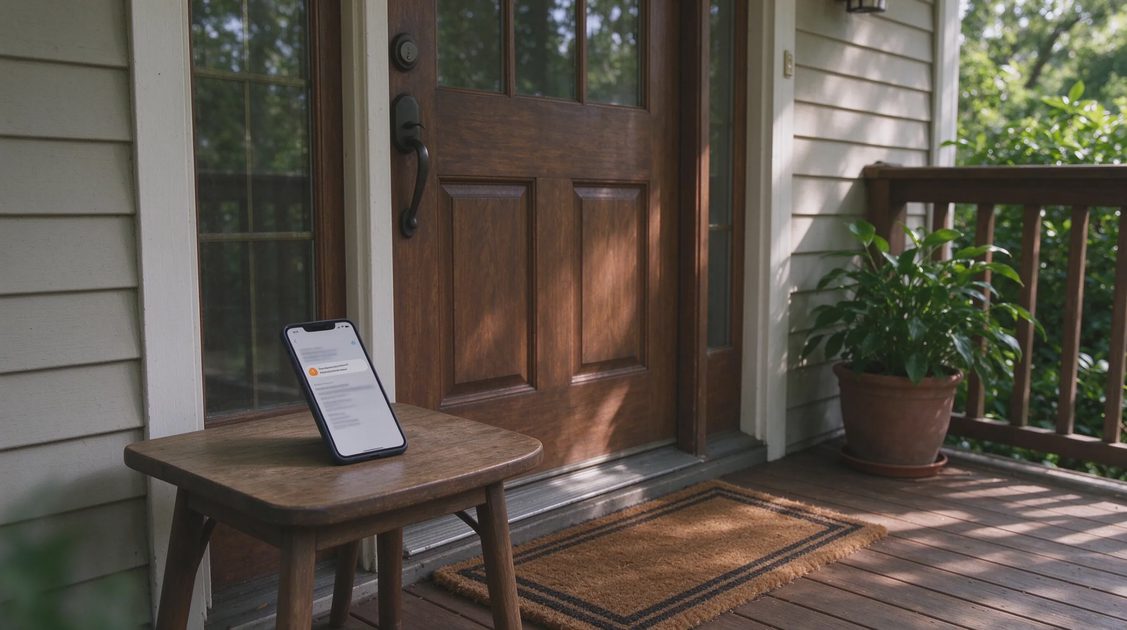
An unordered package shows up at your door with your details. It may contain a note or QR code for delivery confirmation or returns. You might also get texts or door tags about pending packages. These seemingly trivial incidents can start fraud scams.
FTC and U.S. Postal Inspection Service have recorded brushing scams and fake delivery alerts. Scammers exploit curiosity. Do not pay, scan unfamiliar QR codes or share personal data.
This article covers common fraud types, relevant federal rules and simple steps to protect your home.
How Unexpected Packages Become Part of Fraud
Brushing scams use your address for fake reviews
In a brushing scam, a seller or scammer ships inexpensive items to addresses found online. The goal is often to generate fake positive reviews that make the product or store look more legitimate. Your name and address become part of that artificial sales record. The package itself may contain cheap goods or nothing of value. You are under no obligation to pay for or return the items.
Fake delivery notices try to collect information
Texts, emails, or door tags that claim a package is delayed, held, or requires a fee often lead to phishing sites. The sites request payment details, account logins, or other personal information. Legitimate carriers do not suddenly demand unexpected fees through unsolicited messages. The pressure to “resolve the delivery” is designed to short-circuit normal caution.
Address misuse can signal larger identity problems
Repeated packages or mail addressed to unfamiliar names at your home can indicate that someone is using your address for accounts, returns, or other activity. In some cases strangers later appear asking to collect those packages. This pattern is different from a one-time delivery error and deserves closer attention to credit and account activity.
QR codes or notes inside packages create new exposure
Some unexpected packages include a note with a QR code that promises to reveal the sender or process a return. Scanning the code can lead to a phishing site designed to capture credentials or payment information. The safest response is to leave the code unscanned and treat the package according to the rules for unsolicited merchandise.
What Federal Law Already Protects
Unsolicited merchandise can be treated as a gift
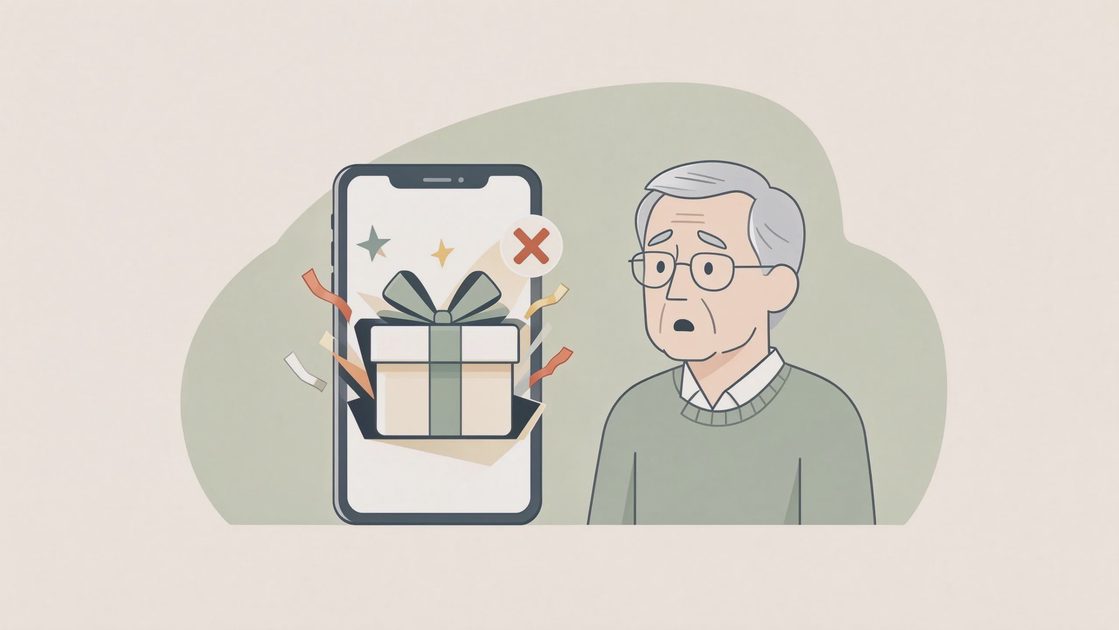
Under federal law, if you receive merchandise you never ordered, you may keep it, throw it away, or use it without paying. You are not required to return the item or to contact the sender. Companies cannot legally force payment for goods that arrived without a prior order. This protection is longstanding and enforced in part by the Federal Trade Commission.
You do not have to respond to the sender
Contacting an unknown sender often opens a channel the other party controls. Scammers may use the conversation to request more information or to create a sense of obligation. The cleaner approach is to leave the package alone or dispose of it and move on. No response is required for a true unsolicited delivery.
Reporting helps agencies track patterns
Even when no money is lost, reporting unexpected packages and fake delivery messages contributes to larger investigations. The FTC accepts reports at ReportFraud.ftc.gov. The U.S. Postal Inspection Service handles mail-related complaints. These reports help identify repeated use of the same tactics across many households.
Credit monitoring remains useful after address exposure
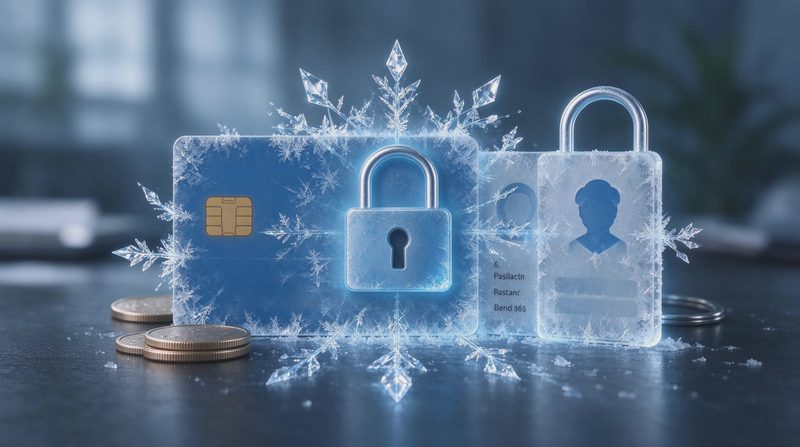
If packages or mail suggest that your address is being used by others, checking credit reports and placing free freezes with the three major bureaus adds a layer of protection. Address misuse does not always lead to identity theft, but early monitoring reduces the chance that larger problems develop unnoticed.
Practical Steps When a Package Arrives Unexpectedly
Do not pay for or return the item under pressure
Federal law treats true unsolicited merchandise as a gift. You are not required to pay shipping, restocking fees, or any other charge. If a sender later demands payment, ignore the demand and report the contact. Returning the package is optional and should only occur through official carrier channels if you choose to do so.
Leave any QR codes or unknown links unscanned
Notes inside packages or accompanying texts that urge you to scan a code or click a link are common phishing vectors. The code can hide a malicious destination. The safer path is to discard the note and treat the package as unsolicited merchandise without further interaction.
Check carrier accounts and Informed Delivery if available
Many households already use USPS Informed Delivery or similar tracking tools from other carriers. Comparing an unexpected package against those records can confirm whether it matches any real shipment. If nothing appears in your legitimate tracking, the package is more likely part of a brushing or address-misuse pattern.
Document the arrival without engaging the sender
Note the date, the carrier if known, and any return address or tracking number. Photographs of the label can be useful if you later file a report. Avoid calling numbers printed on the package or responding to messages that claim to be from the sender.
Recognizing Related Delivery Scams
Missed-delivery door tags with unfamiliar numbers
Fake tags left on doors often instruct the resident to call a number to reschedule or pay a fee. Legitimate carriers publish official contact numbers on their websites. Calling the number on an unexpected tag risks connecting to a scammer. Look up the carrier’s real number independently if you need to check on a genuine delivery.
Texts that claim a package is held for payment
Messages that demand a small fee to release a package are a frequent phishing tactic. Real carriers do not collect unexpected fees this way. Do not click links in the message or provide payment information. Delete the text after reporting it if it appears fraudulent.
Strangers asking to collect packages from your porch
If someone appears at the door claiming a package was misdelivered and asking to take it, verify the claim through the carrier rather than handing the item over. Some schemes use this approach to retrieve goods that were shipped to your address as part of a larger fraud. A calm request for carrier confirmation is reasonable.
Repeated mail or packages for unknown names
A single piece of misdirected mail is common. A pattern of packages or financial mail addressed to unfamiliar names at your address deserves attention. It can indicate that the address is being used without your knowledge. Monitoring credit reports and reporting the pattern to the Postal Inspection Service are practical next steps.
Tools and Habits That Reduce Exposure
Use Informed Delivery and carrier tracking features
Free tools from the U.S. Postal Service and other carriers provide advance notice of expected mail and packages. Reviewing those notices makes unexpected items stand out more clearly. Enabling the features takes only a few minutes and requires no special equipment.
Keep porch deliveries less visible when possible
Simple steps such as requesting delivery to a secure location, using a package locker, or arranging for signature confirmation reduce the chance that packages sit unattended. These measures help against ordinary porch theft as well as more elaborate schemes that rely on visible deliveries.
Review credit reports periodically
Free weekly credit reports through AnnualCreditReport.com allow households to spot unexpected accounts or inquiries. Address misuse sometimes appears first as new credit activity. Catching it early limits the damage and supports faster freezes if needed.
Share the basic rule with household members
Anyone who might answer the door or open a package should understand that unexpected items do not require payment or personal information. A short conversation keeps the entire household aligned on the same practical response.
Reporting and Follow-Up Actions
Report to the FTC and Postal Inspection Service
Submit details of unexpected packages and fake delivery messages at ReportFraud.ftc.gov. For mail-related issues, file a complaint with the U.S. Postal Inspection Service. Include dates, descriptions, and any tracking or return-address information. These reports help agencies map broader patterns.
Place free credit freezes if identity concerns arise
If packages or mail suggest address misuse, a free freeze with Equifax, Experian, and TransUnion makes it harder for new accounts to be opened. The process can be completed online or by phone. Unfreezing later is also free when legitimate credit is needed.
Monitor accounts for unusual activity
Bank, card, and online retail accounts should be reviewed for unexpected charges or shipments. Early detection of related fraud is easier when monitoring is already part of a regular routine. Most institutions provide alerts that can be enabled in a few minutes.
Keep records of what you reported
Save confirmation numbers or copies of reports filed with the FTC or Postal Inspection Service. Those records are useful if questions arise later or if additional activity appears. A simple folder or digital note is usually sufficient.


No comments yet — be the first to share a thought.